Without giving away too many spoilers, the principal villains in Lyon on the Loose committed a catalogue of offences that would have attracted the attention of the authorities. Depending on the evidence available, they could have faced charges including fraud, conspiracy, theft, assault and the unlawful taking of a carriage.
The Regency legal system was far harsher than that of the modern day. England was still living under the notorious "Bloody Code", when more than two hundred offences technically carried the death penalty. Fortunately for many offenders, judges and juries were often reluctant to impose the ultimate punishment for crimes that didn't involve murder, and sentences were frequently reduced.
If the criminals had stolen a carriage without threatening its occupants, they would probably have been charged with grand larceny. For a first offender of respectable background, the most likely outcome might have been transportation for seven or fourteen years. That sentence meant banishment to Australia aboard a convict ship, followed by years of hard labour assigned to the government or private settlers. Many convicts never returned home.
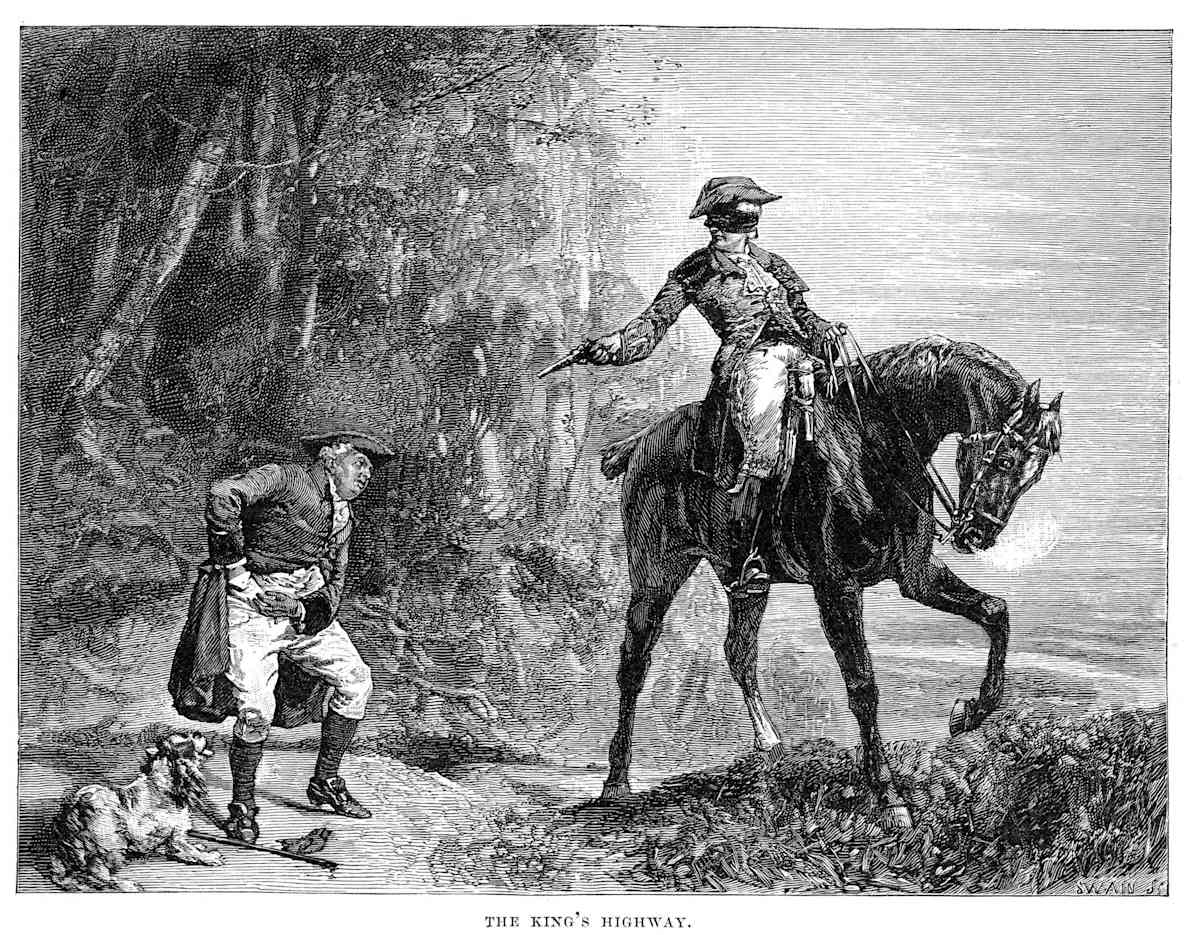
Had violence accompanied the theft—particularly if a weapon had been used or travellers robbed on the highway—the consequences could have been far more severe. Robbery from the person remained a capital offence throughout much of the Regency, and execution at Newgate was still a public spectacle.
Assuming my villains, Sutton and Treadwell, escaped the gallows, transportation would be the most plausible outcome for them. The voyage to New South Wales lasted four to six months, with hundreds of prisoners confined below decks for much of the journey.
In historical fiction, an author can decide the fate of their villains. In reality, successful prosecutions depended on eyewitness testimony, recovered property, willing witnesses and a judge's directions to the jury. Justice in the Regency was often as unpredictable as travel on the King's Highway.